

From our birth from mothers womb the first thing we do is cry known as colic it’s new born babies way of communicating as the days go by and infants brain further develops they started to speak. Afterwards we communicate with others as we start to get further dives into social interaction, and communication is the key to that exploration. First of all communication is the act of transferring Information from one person to another. It’s a vital skill in all aspects of life, from personal relationships to professional success. Good communication can help you to : Build relationships: Communication is the foundation of all relationships. When you are able to communicate effectively, you are able to build trust, understanding, and rapport with others.
· Solve problems: When problems arise, communication is essential to finding solutions. By being able to clearly articulate the problem and listen to the other person’s perspective, you can work together to find a solution that works for everyone.
· Inspire others: Effective communication can be used to inspire others to take action. When you are able to clearly articulate your vision and goals, you can motivate others to join you in achieving them.
· Be successful in your career: In today’s workplace, communication skills are essential for success. Whether you are giving a presentation, leading a team, or negotiating a deal, communication skills will help you to achieve your goals.
There are many different aspects to communication, including:
· Verbal communication: This is the most obvious form of communication, and it involves the use of words to convey meaning.
· Non-verbal communication: This form of communication involves the use of body language, facial expressions, and tone of voice to convey meaning.
· Written communication: This form of communication involves the use of written words to convey meaning.
· Active listening: This is the skill of paying attention to what the other person is saying, both verbally and non-verbally.
There are many different ways to improve your communication skills. Here are a few tips:
· Practice: The more you communicate, the better you will become at it. So, get out there and start talking to people!
· Be mindful of your body language: Your body language can say a lot about you, so be mindful of how you are using it.
· Be clear and concise: When you are communicating, be clear about what you are trying to say. Use simple language and avoid jargon.
· Be an active listener: When someone is talking to you, really listen to what they are saying. Don’t just wait for your turn to talk.
· Be respectful: Even if you disagree with someone, be respectful of their point of view.
Communication skills are an essential part of life. By developing your communication skills, you can improve your relationships, solve problems, be successful in your career, and inspire others.
Here are some additional benefits of having good communication skills:
· Increased productivity: When you are able to communicate effectively, you can get more done in less time.
· Reduced stress: Effective communication can help to reduce stress by resolving conflicts and preventing misunderstandings.
· Improved job satisfaction: Employees with good communication skills are more likely to be satisfied with their jobs.
· Enhanced personal development: Communication skills can help you to develop your personal growth and self-awareness.
Second there are four types of communication styles we are working with and I picked the one which suited with me most perfectly.
Intuitive
Intuitive communicators prefer to understand the big picture and quickly get to the point. They avoid getting bogged down in too much detail but rather rely on their intuition and innovative skills. This kind of style is most common in creative directors, marketing strategists, product managers, and visionary leaders.
When you work with intuitive communicators
Keep instructions quick and to the point: The intuitive communicator may prefer a broad overview to a step-by-step walkthrough of a process, so you should limit details to what directly pertains to this person. Focus on communicating the “why” behind the project or idea.
- Take their ideas seriously: These team members love brainstorming big ideas and have more unconventional ways of thinking. Give them the opportunity to present their unique take on business process or problems, whether in group meetings or one-on-one.
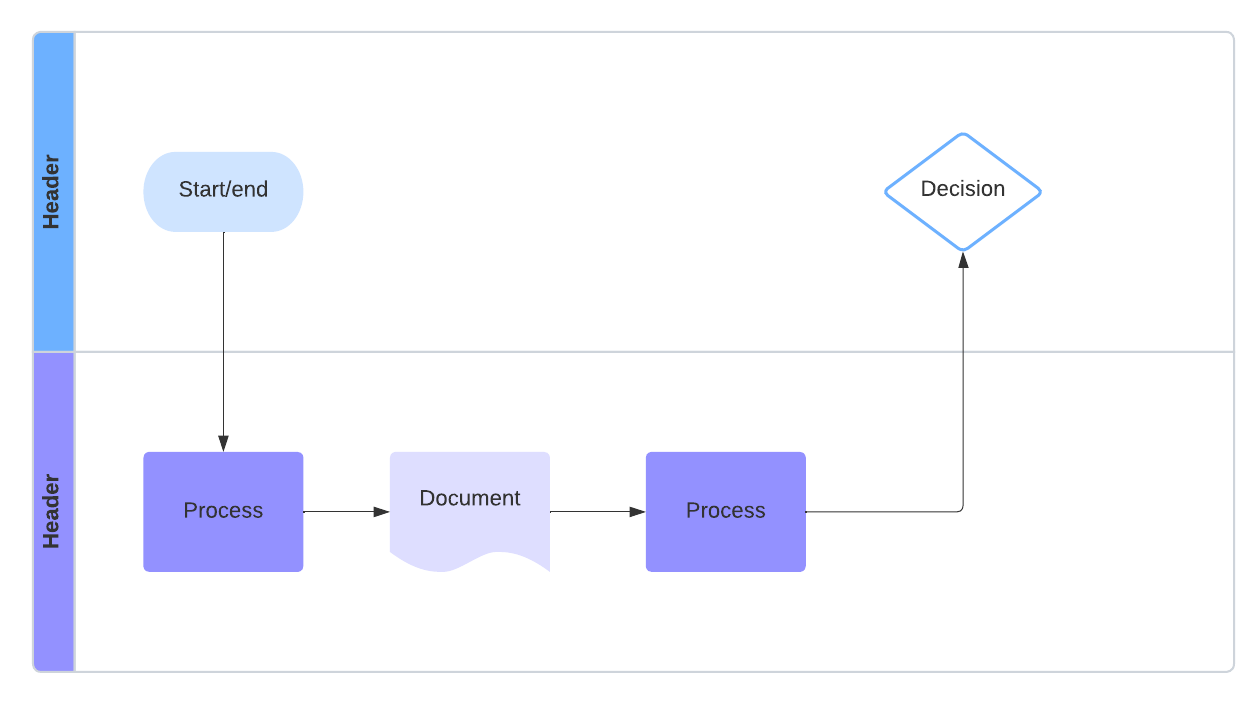
- Use visuals: Although intuitive communicators may want to jump straight to the solution, they may need more detail later in order to execute. Consider using a mind map. Mind mapping is a great way for intuitive communicators to visualize their thoughts and get all of their bright ideas out. From there, using a visual diagram, such as a process flowchart, can give your intuitive team members a quick overview of the process and then the ability to drill down when it's pertinent to their work.
Positive: Your communication is quick and to the point, you don’t get caught up in too many details and you’re comfortable with the big idea. Due to your natural ability to view things large scale, you have a strong urge to challenge the way things are usually done.
Negative: You may lack the patience for situations that require great attention to detail. Because you are process driven and detail oriented, it can be difficult to interact with functional communicators.
Finally as I stated from the beginning in order to find your place, role , purpose as you get older, matures communication is essential asset for this journey.
Source: