

One is excellent in their domain is highly intelligent on paper but fails while demonstrating real-life intelligence. One is exceptionally proficient, highly knowledgeable, and possesses a remarkable skill set, obtaining a prestigious degree from a renowned business school. Additionally, this individual excels in numerical analysis, displaying an exceptional affinity for numbers. However, despite their impressive achievements, they encounter difficulties when it comes to effectively leading a team. Both of these scenarios are widely recognized for their prevalence, yet they remain largely neglected. The world, particularly the business realm, appears to be inordinately judgmental and inflexible, failing to acknowledge the significance of attributes such as emotional intelligence. As individuals, we frequently encounter extraordinary exemplars of emotional intelligence in every aspect of our lives, yet we lack a scientific rationale for why we give precedence to such individuals. Recognizing the indispensable value of human resources within an organization, businesses even enlist the expertise of psychologists to provide specialized training for their employees. After all, the paramount importance of human resources cannot be disregarded, as they serve as the lifeblood of the organization.
Human resources work in coordination, in a mutually dependent environment, work as emotional creatures; therefore, their emotional needs and their effects are barely studied. Activities, events, and people create stress on their mental components, which in turn affects their physical health. As most of the HR activities are qualitative, and economic criteria cannot be applied, there is no value for these kinds of activities. The importance of emotional intelligence for participants is very vital. Emotional intelligence is a future prediction for job performance. Traits of emotionally intelligent people help them own specific natural advantages, which lead to more appreciation, retention, and satisfaction for companies. It helps them ease their way and advance in any organization. Emotional intelligence helps us feel, express, comprehend, and act on our emotional feelings and those of others in complex life situations. Since life situations get resolved optimally when we make use of emotional intelligence traits, we increase our satisfaction in life as we understand others better, can bond better, communicate better, respond better, and manage relational and emotional problems better. Moreover, emotional intelligence enables an individual to help others in their surrounding area to become satisfied. It has specific natural advantages that can help individuals achieve their goals; it can improve leadership, leading to advancement in any organization. Emotional intelligence can be improved and developed in each one of us. It enables persons who have it to exploit it and lead to deficiency at times when they become stressed, resulting in ineffective or counterproductive behavior. Emotional intelligence is a subject of different disciplines, including psychology, that is built on research and learning outcomes and contributes to a theory of emotional intelligence. Emotional intelligence enhances setback and crisis management. It has its origin in philosophy, is subject to mythology, and is created by neuroscience, as the fringe of philosophy, where mind and body come together. Emotional intelligence affects our body, emotions, thoughts, and conduct, thereby making it an important subject for people responding to the needs of business professionals who are related to mental and body-related issues at work.
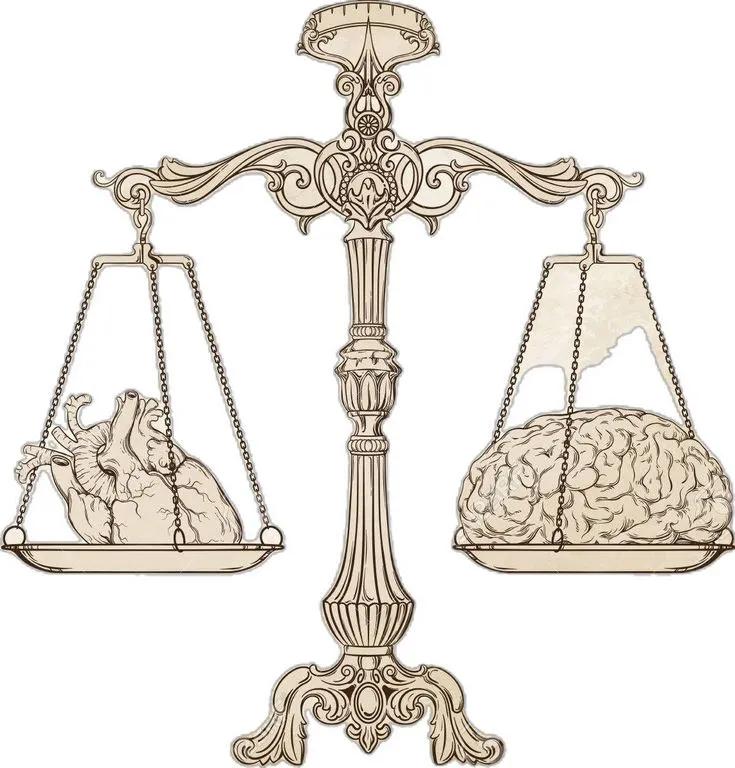
Definition of Emotional Intelligence
Emotional intelligence is a quality that may not be palpable or quantifiable, but is vital to human communication and functioning. By increasing our ability to understand, use, and manage our own emotions, emotional intelligence can enhance personal and professional success. This guide will introduce you to the concept of emotional intelligence, explain its qualities, and promote the productive application of emotional intelligence in your daily life.
A commonly accepted definition describes emotional intelligence as a set of emotional and social skills that influence the way we perceive and express ourselves, develop and maintain social relationships, cope with challenges, and use emotional information in an effective and meaningful way. It is the answer to why a person with a high IQ can still fail while driving a car, why people who say they are open-minded can be so angry, and those who value honesty can be such accomplished liars. Emotional information can include emotions caused by events, emotions influenced by our feelings towards people, and emotions about ourselves, also known as self-awareness. Emotional intelligence for oneself boosts personal behavior and professional habits such as motivation, empathy, and social skills. Rather than treating people as objects, communication skills help us to treat them as individuals. Emotional intelligence is the answer to using information rather than abusing it.