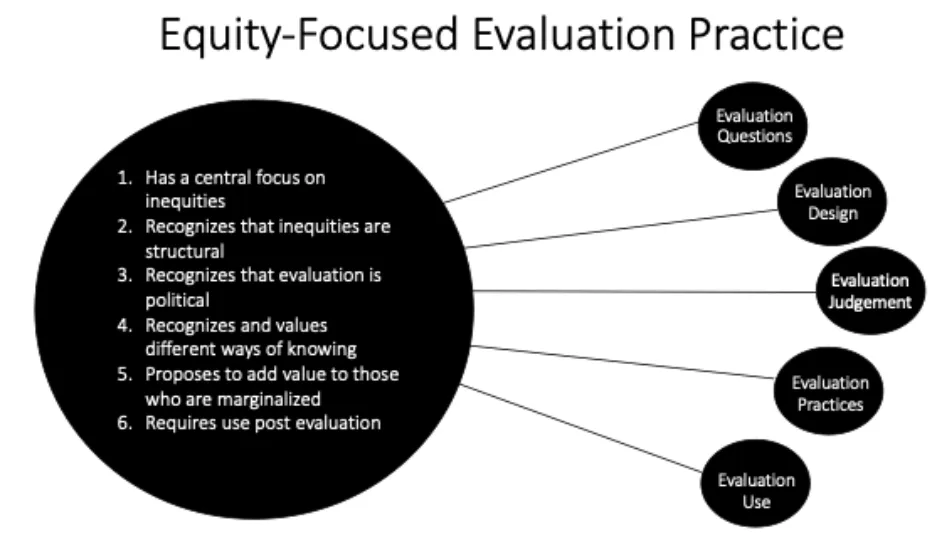
In this blog, I will share about Equitable evaluation from the perspective of emerging evaluator. Let's discover significance of understanding the community's needs, values, and aspirations as the fundamental basis for designing evaluations that prioritize equity...
During the Capacity building trainings provided by YEEs internship program 2023, I have not only gained deeper understanding, but also learned very practical knowledge on M&E. On the second day of our training sessions, we had privilege of learning about Equity in Evaluation from Nada Mousa, a truly inspiring individual, both personally and professionally.
In a world where systemic inequities persist, it's extremely important to be inclusive and address disparities in the evaluation field. Thus In this blog, I want to emphasize the significance of equity in evaluation and provide practical insights on how to navigate this complex topic.
Equity in evaluation means more than just fairness. It recognizes that different individuals and communities have diverse needs, experiences, and resources, and aims to level the playing field to ensure fairness in evaluation processes and outcomes. Thus, recognizing the things that have happened in the past and the systems in place that continue to create unfairness, and taking action to reduce their influence when evaluating is crucial. As emerging evaluators, we have a unique opportunity to reshape the evaluation landscape and center equity in our work. We must recognize that our own perspectives, biases, and privileges shape the way we approach evaluation. By acknowledging this, we can actively challenge existing power dynamics, amplify marginalized voices, and advocate for change within the field.
Equitable evaluation is not just about the outcomes; it begins right from the start of the design process. By asking intentional questions and considering the needs and perspectives of the invested community members, evaluators can ensure that their evaluation efforts are truly equitable.
Steps to promote equity in evaluation:
- Practice self-reflection: As emerging evaluators, we must engage in ongoing self-reflection and actively interrogate our biases. We should continuously examine how our own identities and experiences influence our evaluation practices and consider the potential implications for equitable evaluation. By cultivating reflexivity, we can make conscious efforts to challenge our assumptions and ensure inclusivity in our work.
- Stakeholders engagement: Equity requires the inclusion of diverse perspectives throughout the evaluation process. By engaging stakeholders from various backgrounds, including those who are often marginalized or underrepresented, we can incorporate a broad range of experiences and insights into our evaluations. This inclusive approach allows for an accurate and comprehensive understanding of the complexities at play.
- Cultural responsiveness: Adopting a culturally responsive approach means recognizing and valuing diverse cultural contexts, knowledge systems, and practices. This involves tailoring evaluation methods, tools, and communication strategies to the specific needs and values of the communities we work with. By doing so, we can ensure that evaluation processes are accessible, respectful, and relevant to all stakeholders involved.
- Addressing power imbalances: Emerging evaluators must actively work to address these imbalances by creating safe spaces for participation, sharing decision-making power, and promoting collaboration. By distributing power more equitably, we can foster transparency, trust, and accountability in evaluation.
As an intern at YEEs, I've come to realize that designing equitable evaluation starts with gaining a deep understanding of the community and their needs, values, and aspirations. It is essential for evaluators to intentionally involve community members in the design process to ensure that the evaluation is culturally responsive, inclusive, and meaningful. This approach enables evaluators to capture the diverse voices and experiences within the community, leading to a comprehensive and nuanced understanding of the impact of their work. It is our shared responsibility to dedicate ourselves to designing evaluations that respect and uplift the community, providing them with the space to express their perspectives and empowering them as active participants in the evaluation process. Through our efforts in equitable evaluation, we can contribute to fostering social justice and driving positive change in our communities.