
Organizing an event provides valuable insights into the importance of evaluation. By setting clear objectives, collecting feedback, measuring impact, and learning from challenges, event organizers can refine their approach and create exceptional experiences.
Organizing an event can be a challenging and rewarding experience. Whether it's a conference, seminar, or workshop, the success of an event relies not only on meticulous planning and execution but also on thorough evaluation. In this article, we will delve into the significance of evaluation and discuss some valuable lessons learned from organizing events.
Setting Clear Objectives: One of the first lessons we learned is the importance of setting clear objectives for the event. Without well-defined goals, it becomes difficult to evaluate the success or failure of the event. Setting objectives helps to focus efforts, measure outcomes, and guide decision-making. These objectives can range from attendee satisfaction and knowledge acquisition to networking opportunities and overall impact. By clarifying the purpose and expected outcomes, we gained valuable insights into the effectiveness of our event.
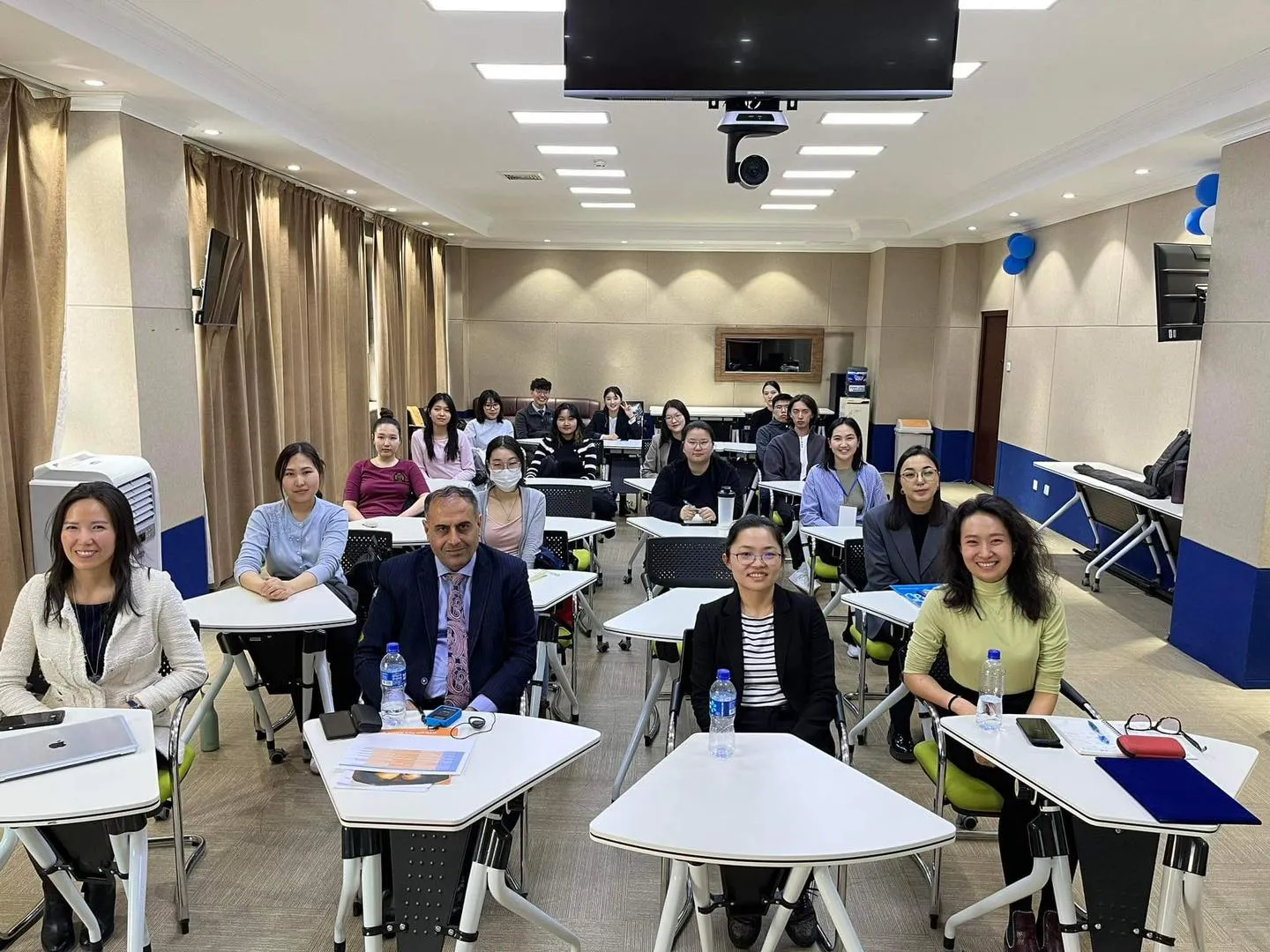
Collecting Feedback: Feedback is an invaluable resource for event organizers. Gathering feedback from attendees, speakers, sponsors, and other stakeholders provides a comprehensive perspective on the event's strengths and areas for improvement. We implemented various feedback mechanisms, such as surveys, online forms, and in-person interviews, to ensure we captured diverse viewpoints. Analyzing this feedback helped us identify what worked well, what fell short of expectations, and areas where we could enhance the overall experience.
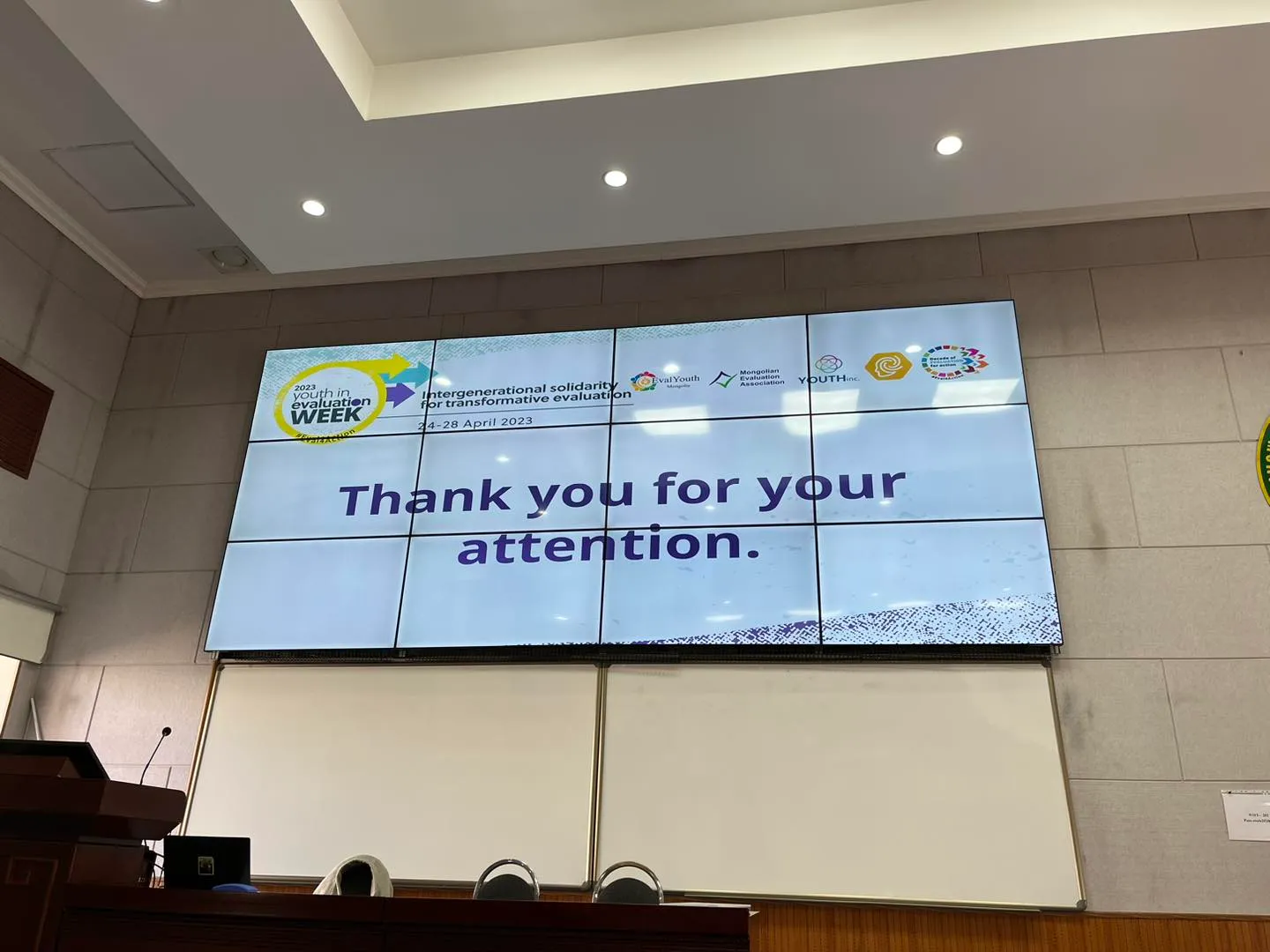
Measuring Impact: While immediate feedback is essential, evaluating the long-term impact of an event is equally crucial. We recognized that assessing the impact required a more comprehensive approach beyond immediate attendee feedback. Tracking key performance indicators (KPIs) related to the event's goals allowed us to gauge the event's success in the long run. For instance, we measured metrics such as post-event engagement, participant testimonials, business collaborations, and knowledge transfer. This broader evaluation enabled us to understand the lasting effects of the event and make informed decisions for future endeavors.
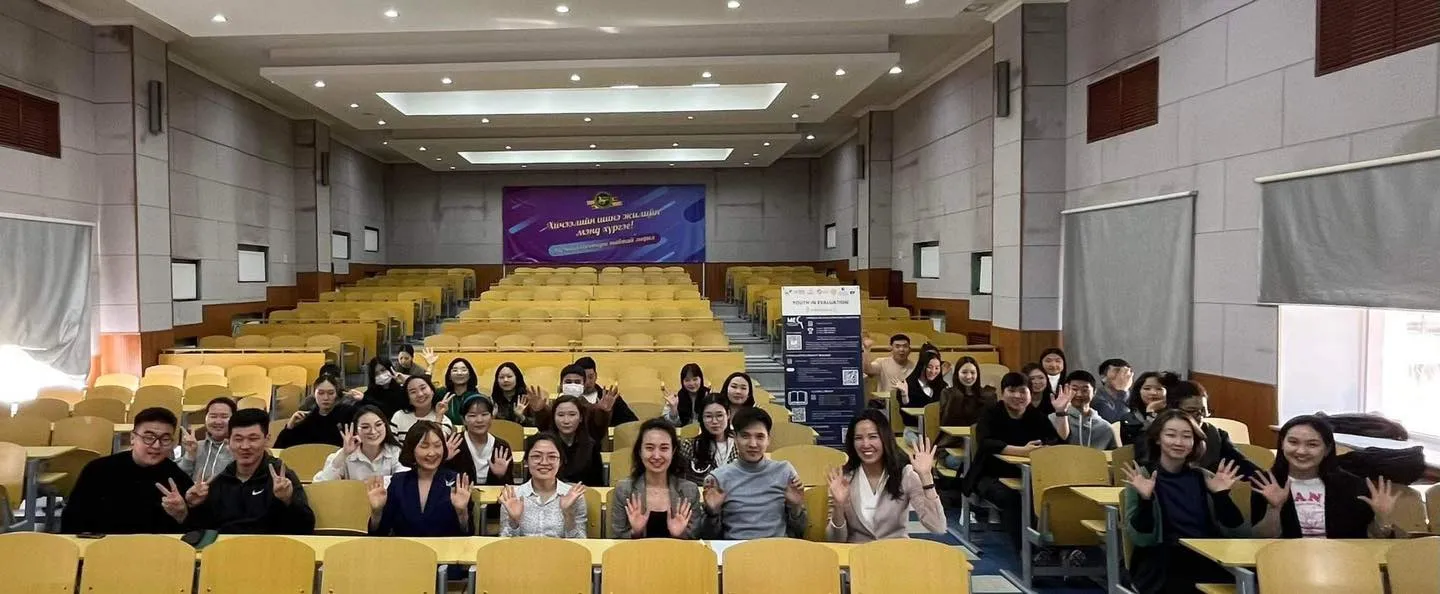
Learning from Challenges: Organizing events rarely goes without encountering challenges. However, viewing these challenges as learning opportunities can lead to significant improvements. We learned to document and analyze the obstacles we faced during the event, ranging from logistical issues to technical glitches or unexpected circumstances. By reflecting on these challenges, we identified areas for improvement in planning, communication, and contingency strategies. This iterative process allowed us to enhance our organizational skills and create more resilient events in the future.