
Emotional and psychological well- being to intergrate some aspects of communication anxieties
Understanding the Process of Communication
Communication is at the heart of every human interaction, from everyday conversations to complex negotiations. It involves more than just exchanging words; it’s about creating shared meaning, building relationships, and achieving understanding. Let’s explore the key stages of the communication process to understand how it works and why effective communication matters.
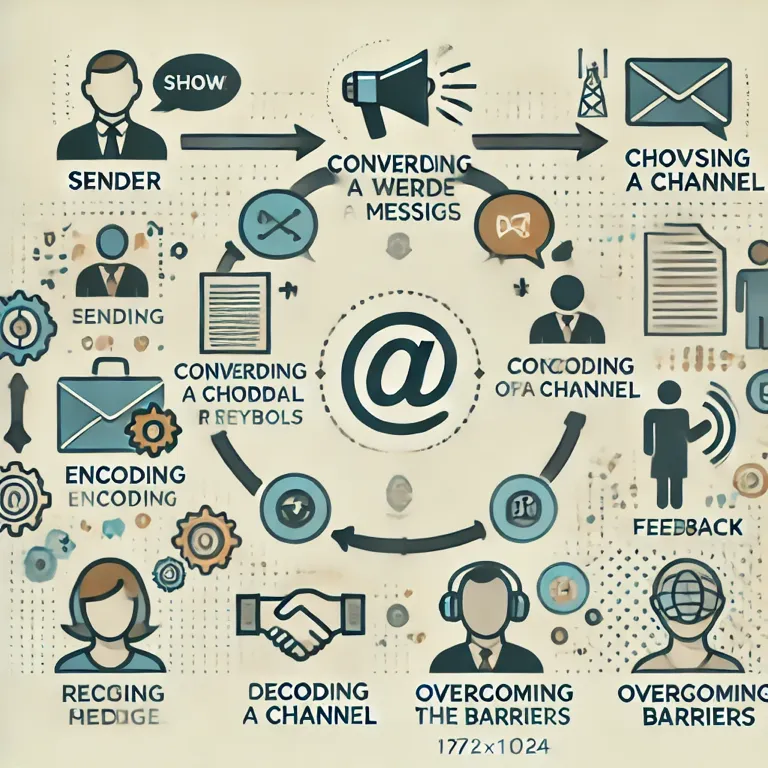
1. The Sender – Initiating the Message
Every conversation starts with a sender – the person who has information, an idea, or a thought they want to share. The sender initiates the process by formulating a clear message. This requires deciding not only what to say but also how to say it, including tone, language, and choice of medium.
2. Encoding – Translating Thoughts into Words or Symbols
Encoding is the process of translating thoughts into language or symbols. This might mean choosing the right words in a conversation, selecting an image for a presentation, or using a specific gesture in nonverbal communication. Effective encoding considers the receiver’s perspective, ensuring the message is clear and easy to understand.
3. Choosing a Channel – Selecting the Medium
The channel is the medium through which the message is sent. It could be a face-to-face conversation, a phone call, an email, or even body language. Choosing the right channel depends on the nature of the message and the relationship with the receiver. For example, a complex or emotional topic might be best suited for an in-person conversation rather than an email.
4. The Receiver – Receiving and Interpreting the Message
Once the message is transmitted, the receiver’s role begins. The receiver actively listens, reads, or observes the message, aiming to interpret and understand it. This stage can be influenced by the receiver’s own perceptions, experiences, and emotions, which might impact how the message is understood.
5. Decoding – Making Sense of the Message
Decoding is the receiver’s process of interpreting the message. They take the words, tone, and nonverbal cues provided by the sender and try to make sense of them. Effective decoding requires attention and open-mindedness. Misinterpretations can occur at this stage, especially if the message is unclear or if there are differences in cultural or personal backgrounds.
6. Feedback – Closing the Loop

Feedback is the receiver’s response to the message, which helps the sender understand how their message was perceived. This could be verbal (like answering a question), nonverbal (like nodding in agreement), or written. Feedback is essential in confirming understanding or highlighting areas that may need further clarification.
7. Overcoming Barriers – Navigating Obstacles in Communication
Throughout the communication process, barriers like noise, distractions, or misunderstandings can hinder clear communication. Being mindful of these obstacles, whether physical (such as background noise) or psychological (such as biases or stress), is key to effective communication.
Conclusion
Understanding the communication process helps us become more effective communicators. By being mindful of each step – from encoding our message clearly to interpreting feedback accurately – we can foster stronger relationships, avoid misunderstandings, and build trust. Effective communication is a skill we can all develop, and it begins with recognizing the importance of each stage in this vital process.