
Communication is a important part of emotional intelligence, but not everyone communicates in the same way. To improve your interactions with others, its essential to recognize different communication styles and adapt your approach to complete them. There is four communication styles and offers insights how to adjust communication for better connections.
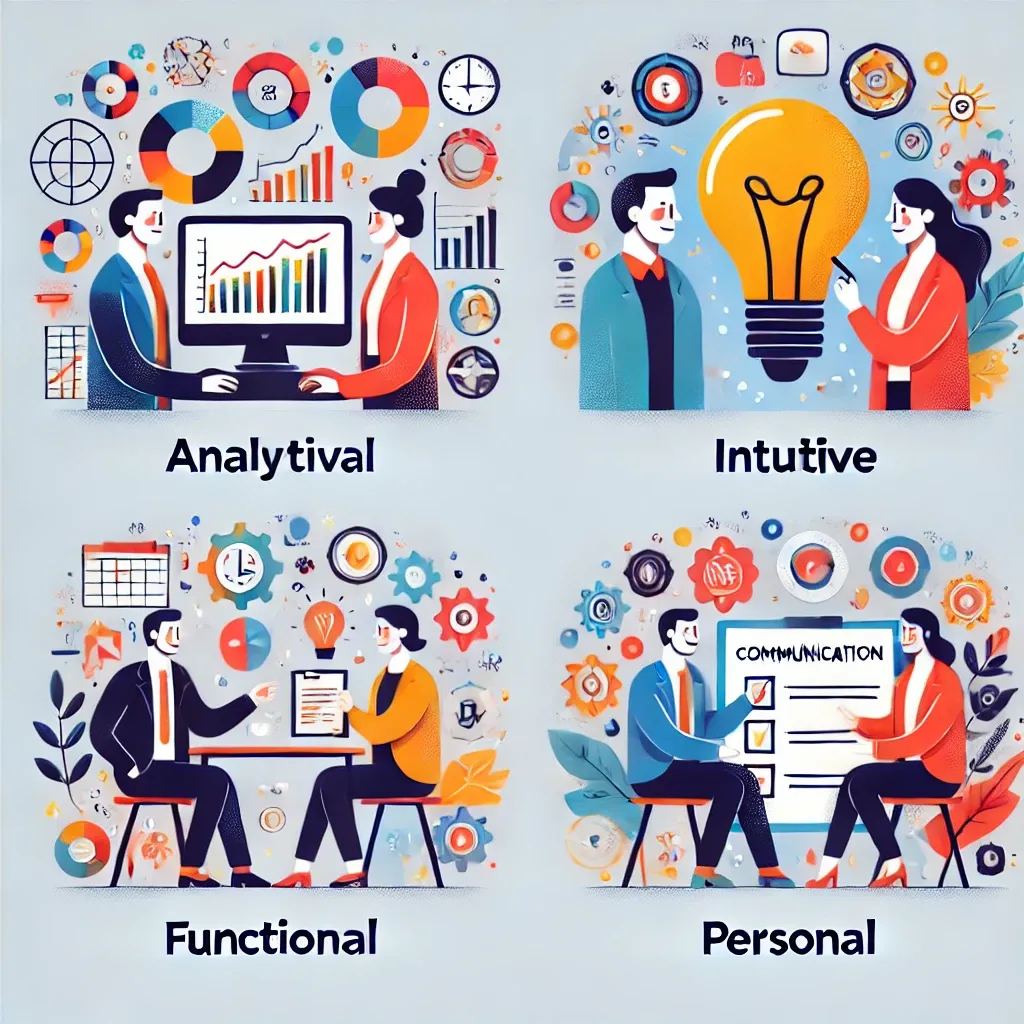
The four main communication styles are analytical, intuitive, functional and personal. Each has its own strengths, preferences and difference:
- Analytical - logical and data-driven and prefer clear and short messages without emotions or opinions.
- Intuitive - big-picture thinkers who focus on idea and possibilities.
- Functional - organized and process-oriented, preferring structured and detailed messages.
- Personal - emotional and value-driven, preferring warm and friendly messages that focus on feelings and relationships.
For example: IN A TEAM PROJECT PRESENTATION
If we take one person than his name will be Alex. So Alex is leading a project update meeting with the including, managers and clients, discussing the progress of a complex project and future plans. This situation required balance and relationships.
- Analytical Style if we think that he is taking 50% of all. So he starts by presenting the data and important part. His group provide a clear, fact-based overview of the project's progress, showing how goals have been met so far using graphs, charts and numbers. This is how he use natural analytical strength to focus on the logic and accuracy of the information.
- Functional Style like he can use 25% of it. After the data presentation, Alex explains the next steps in detail, outlining each phase of the project and the tasks that need to be completed. He ensures that everyone knows their responsibilities and timelines, breaking down the process into clear actionable items.
- If we take 15% of Intuitive Style in the middle of the presentation to discuss the big picture and long term vision of the project. They group focus on the wider goals, future opportunities and innovative possibilities that project could open up for the company are the clients.
- If we take Personal Style like 10% then we throw out the meeting, make some effort to connect and on my personal level with the team and clients. They check in with everyone express appreciation for the hard work done and acknowledge team members contributions. When this costume challenge, Alex will be empathic and supported focusing on solutions that helps both the team and the clients feel heard and understood.
All four communication styles can be present in a single situation and one person may exhibit one style more prominently while having others at lower percentage each style is used it if needed.
To discover your own communication style you can ask or seek feedback from others who know you well. Additionally reflect on your natural communication condenses - how you express thoughts make decisions listen, handle stress and respond to conflict. Understanding these aspects of your style can help you build on your strengths and address any areas that might need improvement. By gaining a clearer understanding of your communication style you can increase your interactions with others and communicate more effectively in different situations.
You can develop communication skills through practice feedback and learning start by stepping out of your comfort zone and communication with different people in various situations be open to feedback and view it as an opportunity to grow.