
First of all, I would like to express the graditute to Cameron (Камерон Русийти) for teaching us about communication and teamwork."
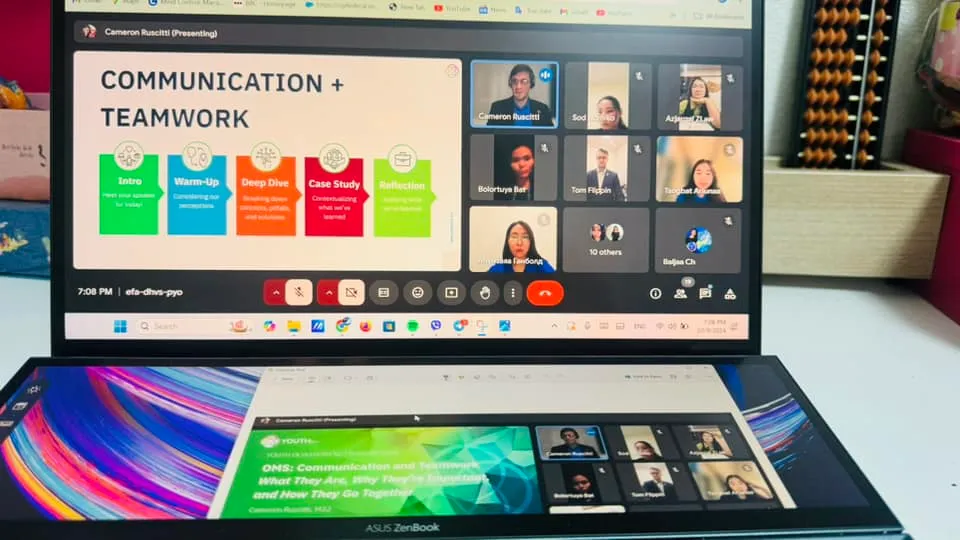
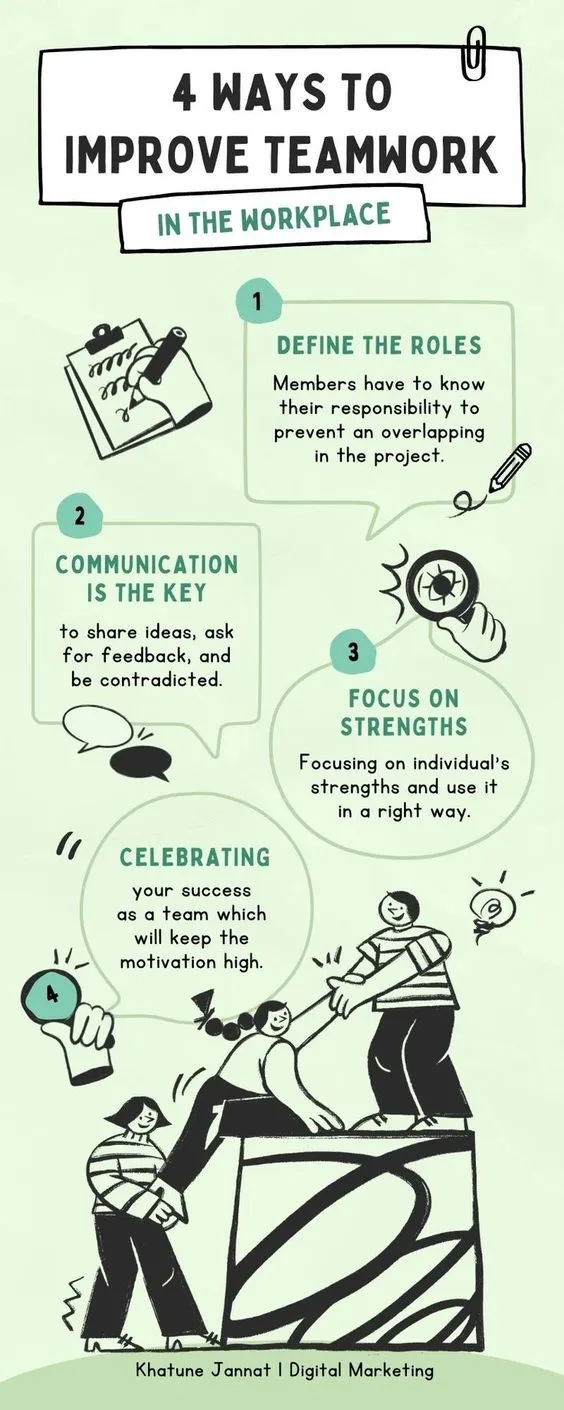
Teamwork helps people solve problems that one person alone might struggle with. When a group works together, they can accomplish tasks more efficiently because the workload is shared. This not only improves accountability and boosts morale but also reduces the risk of a project falling apart if someone is absent. Team members can also learn from each other and develop new skills as they collaborate.
Is Teamwork Always Beneficial?
While teamwork has many advantages, it can also have downsides. For example, sometimes teams fall into “groupthink,” where everyone agrees too quickly, leading to poor decisions. Additionally, not all team members may benefit equally; research shows that men are more likely than women to see their careers advance after a team achieves success.
Sometimes, teamwork doesn't work well due to personality clashes. If two people both want to take charge, for example, they might struggle to cooperate. In other cases, some individuals might feel less motivated to contribute because they know others will pick up the slack.
Characteristics of Good Team Players
Good team players share several important traits. They are reliable, do their part of the work, are honest about any challenges, and communicate clearly. Having a positive attitude is crucial; even skilled individuals can hurt the team’s dynamics if they are negative or rude.
What Makes a Team Successful?
Research shows that successful teams often have certain key qualities. Effective communication is essential, ensuring everyone has a chance to express their ideas. Additionally, “social sensitivity” helps team members understand each other’s feelings and navigate disagreements respectfully. These factors can greatly contribute to a team’s overall success.
What are communication styles?
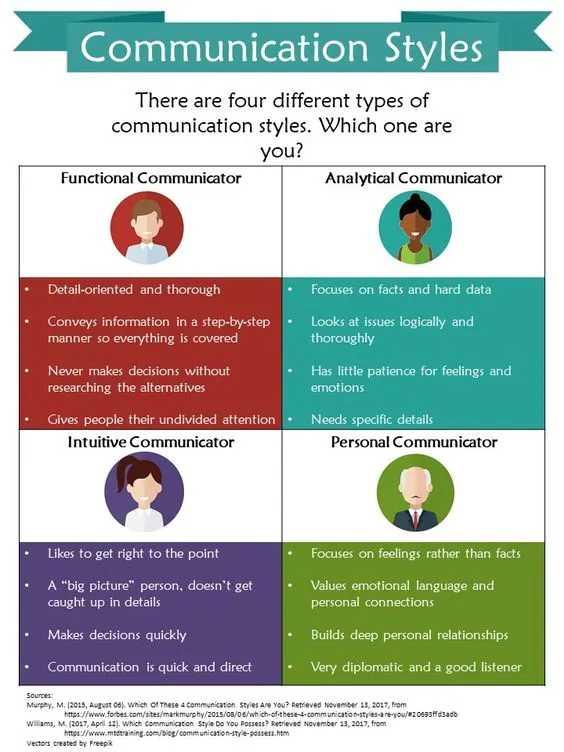
By knowing these styles, you can adjust your communication to work better with different people.
1. Analytical
Analytical communicators like facts, data, and logic. They pay attention to details and want specific information. For example, if someone says sales were up, an analytical person would want to know exact numbers and how each region performed.
- Strengths: They bring clarity and precision to discussions, ensuring that decisions are based on solid data.
- Challenges: They may focus too much on details, which can slow down the decision-making process and frustrate teammates who prefer faster, broader discussions.
2. Intuitive
Intuitive communicators focus on the big picture. They care more about the overall result than the details. They think quickly and prefer direct communication. They enjoy brainstorming and creative ideas.
- Strengths: They inspire creativity and help the team stay focused on long-term goals and visions.
- Challenges: Their tendency to overlook details can lead to gaps in planning, which might leave other team members feeling uneasy about the execution.
3. Functional
Functional communicators take a step-by-step approach. They also value details but are very interested in how things get done. They like to see plans laid out clearly, including timelines and processes.
- Strengths: They help organize tasks and timelines, ensuring that projects move smoothly and stay on track.
- Challenges: Their detailed approach can sometimes overwhelm teammates who prefer a more flexible or less structured way of working.
4. Personal
Personal communicators focus on emotions and connections. They use expressive language and want to understand how others feel. They are good at listening and can sense the feelings of those around them.
- Strengths: They foster strong relationships within the team, promoting collaboration and open communication.
- Challenges: Their focus on feelings may lead to conflicts or misunderstandings if not balanced with logical or task-oriented perspectives.
How do these four different communication styles impact the teamwork?
- Diversity: Having a mix of these styles can enhance creativity and problem-solving, as each member contributes unique strengths.
- Communication Gaps: Differences in styles may lead to misunderstandings if team members don't recognize or adapt to each other's preferences.
- Conflict Resolution: Teams may need to work on strategies to bridge gaps, ensuring that all communication styles are respected and utilized effectively.
"Every communication style is important for a well-functioning team".
How can be email be more effective in the workplace?
Email can be challenging because it lacks tone and body language, making it easy to misinterpret messages. In today's professional environment, where communication is frequent and involves many people, the risk of miscommunication increases. To improve email effectiveness, here are some key do’s and don’ts of email and workplace groupchat.
Do:
- Be concise(but still polite)
- Tag @people in group chats if you are making a specific request.
- Acknowledge that you have seen a message, even if you can’t respond right away.
- Strive to use proper grammar and punctuation
Don’t
- Use profanity or inappropriate images and emojis
- Ignore your colleagues
- Badmouth other colleaques and your employer
- Disclose confidential information in group class
- Go off topic
To summarize, my blog highlights how important communication is for teamwork. Working together allows groups to solve problems more efficiently and share the workload. This not only improves accountability and boosts morale but also helps team members learn from each other. Good team players are reliable, communicate well, and maintain a positive attitude. Moreover, it outlines four communication styles—Analytical, Intuitive, Functional, and Personal—each with strengths and challenges. Understanding these styles can improve teamwork by promoting diversity and reducing misunderstandings. Finally, it offers tips for effective email communication, emphasizing the need for clarity, conciseness, and professionalism to prevent miscommunication in the workplace.