

Thank you, Daniel, for leading us through such a comprehensive look at the different communication barriers. Your insights are irreplaceable and help us in improving our communication skills at all levels of life. The perception and working out these barriers are the keys to good relations and professional dealings.
Introduction
Communication plays an important role in our interactions in life, from building the relationships of close loved ones to professionally creating an environment. However, despite this importance, a number of barriers can come forward and hinder our communications from being effective, leading to misunderstandings and operational inefficiencies. The identification and understanding of these barriers allow us to take proactive steps that can help improve our communicative abilities for the betterment of personal interactions and professional engagements.
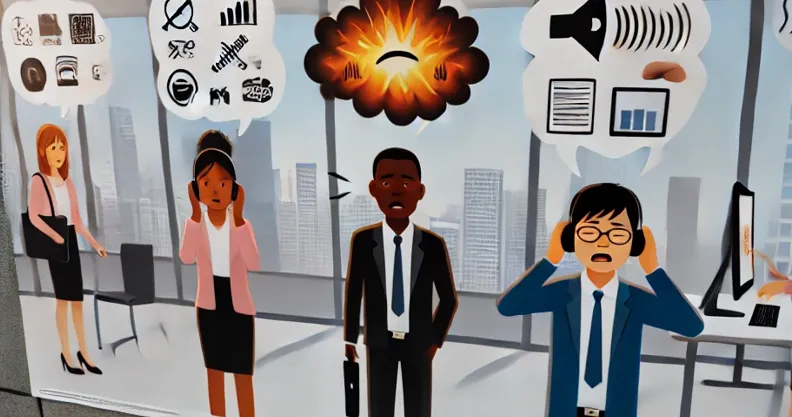
What Do We Learn?
The communication barriers are basically divided into internal and external.
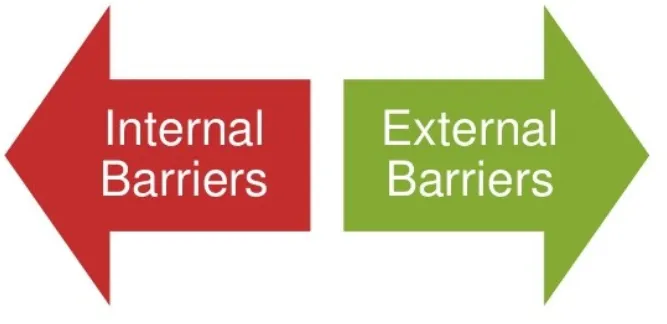
- Internal barriers are personal issues-physical discomforts like headache, backache, etc., which disturb concentration and reduce communicational skills.
- External barriers may be environmental factors like noise, extreme temperature, and interruptions that impede smooth communication.
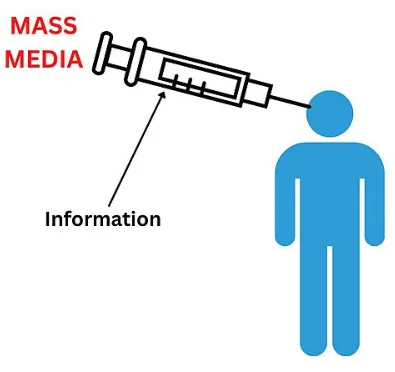
From academic studies and further research, we delve into various communication models and elements that help us understand these complexities. For example, the Hypodermic Needle Model, which dates back to the early 20th century, described communication as one-way traffic in which media "inject" information into a passive audience.
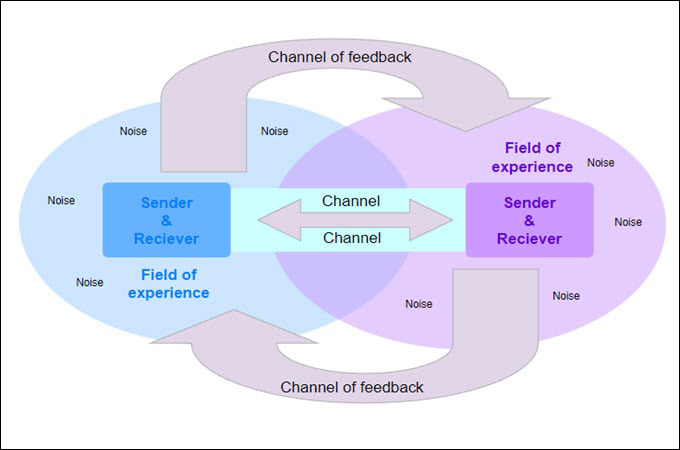
More developed theories have since replaced this model, such as the Transactional Model, which conceptualizes communication as dynamic and interactive. In such a model, all participants act at once as senders and receivers, with influences both from personal biases and from conditions at large.
Several of the pervasive barriers to effective communication, therefore, include:
- Lack of Clarity: Ambiguous messages are easily misunderstood.
- Information Overload: Sometimes, too much information may actually confuse the recipient and cause miscommunication.
- Physical and Technological Problems: Poor infrastructure or failing technology may derail effective conveyance and receipt of messages.
- Psychological Barriers: Emotional trauma or psychological conditions like anxiety may impede communication.
- Cultural Differences: Misunderstandings may arise due to different norms and modes of communication in different cultures.
The psychologist will have to create an environment to overcome these barriers: a relaxed atmosphere where openness is encouraged and there is encouragement for articulate communication. Effective channels and tools of communication should be employed and much emphasis laid on empathy and active listening to lessen misunderstandings and enhance mutual understanding.
Effective communication is perhaps the cornerstone of success and fulfillment, both in personal domains and professional life.
Barriers to communication, once identified and addressed appropriately, can thus ensure interactional improvement toward better outcomes and strengthened relationships.
Sources: