
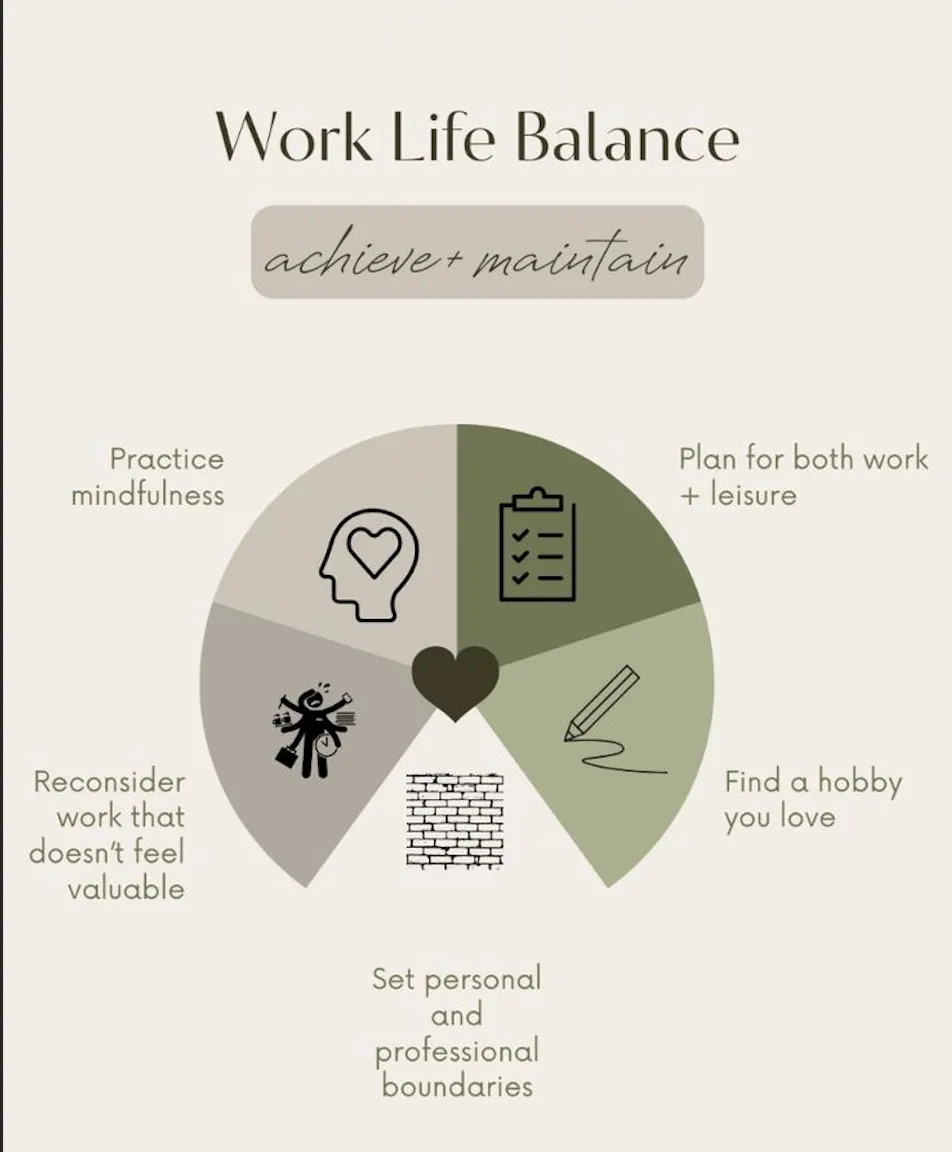
In today’s fast-paced world, achieving work-life balance has become increasingly crucial, particularly for youth. This phase of life is characterized by rapid growth and transformation, where education, personal development, and career exploration intersect. However, the demands of academic responsibilities, part-time jobs, social relationships, and family commitments often leave young people feeling overwhelmed. Cultivating work-life balance during this stage not only ensures immediate well-being but also lays the foundation for long-term success and fulfillment.
The Importance of Work-Life Balance for Youth
Work-life balance is essential for maintaining mental and physical health. The pressure to excel academically, participate in extracurricular activities, and navigate personal relationships can lead to stress, anxiety, and burnout. Balanced youth are better equipped to manage these pressures, resulting in improved focus, resilience, and emotional stability.
Moreover, achieving balance enhances academic performance and professional readiness. By prioritizing tasks and managing time effectively, young people can produce high-quality work without sacrificing their health or happiness. This also fosters essential life skills such as decision-making, time management, and self-discipline, which are invaluable in any career path.
Work-life balance also promotes stronger personal relationships. Spending quality time with family and friends strengthens social connections, offering a sense of belonging and support. It also allows youth to explore hobbies and interests, contributing to personal growth and a well-rounded personality.
Challenges Youth Face in Achieving Balance
Youth often encounter significant barriers to achieving work-life balance. One major challenge is overcommitment. Many young people feel the need to excel in academics while participating in multiple extracurricular activities, leaving little time for rest or leisure.
Social media and digital connectivity further complicate this balance. Constant notifications and the pressure to maintain an online presence blur the lines between work, study, and personal time. Additionally, societal expectations and peer pressure to “keep up” with others can lead to unrealistic goals and unhealthy comparisons.
Finally, a lack of awareness about time management and the importance of balance often results in poor prioritization, leading to procrastination or burnout.
Guidance for Achieving Work-Life Balance
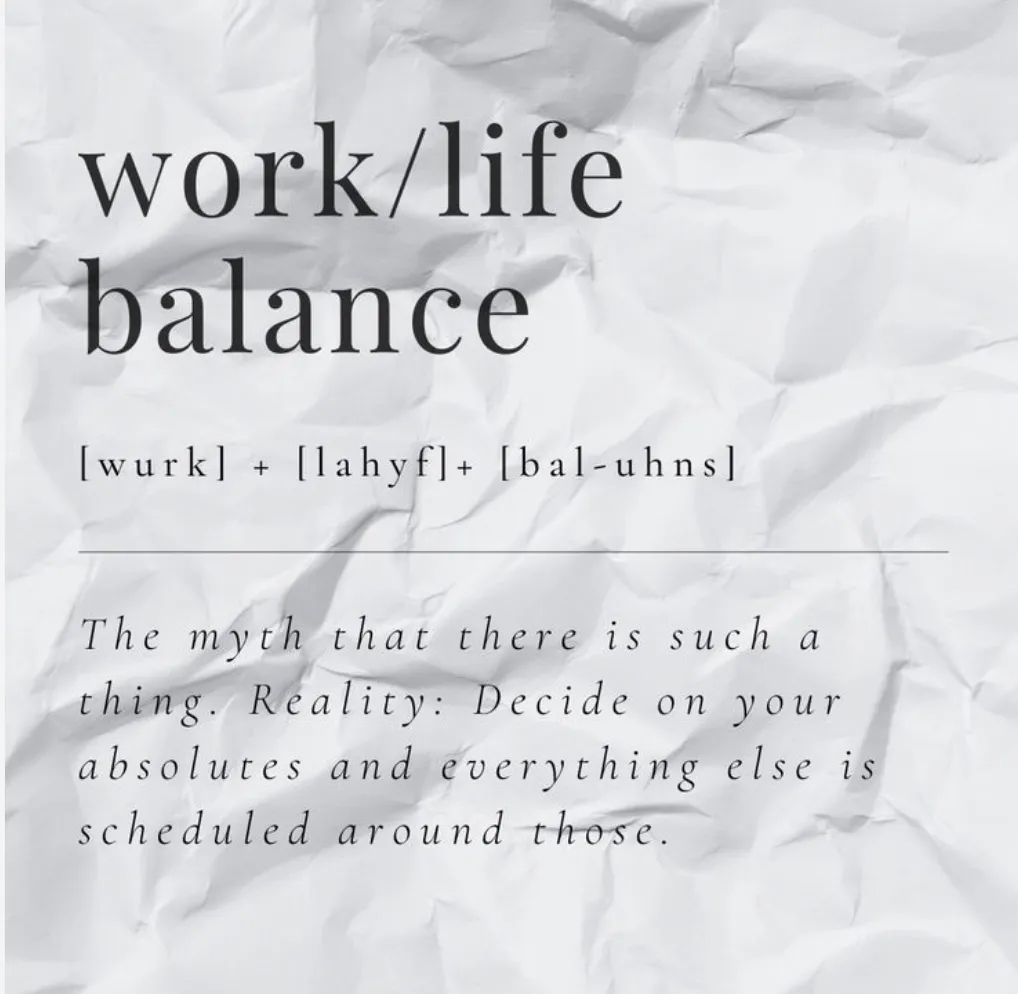
1. Set Clear Priorities
Youth should identify their most important commitments, such as education, health, and relationships. By focusing on what truly matters, they can allocate their time and energy effectively.
2. Develop Time Management Skills
Using tools like planners, apps, or calendars can help youth organize their tasks and create structured routines. Techniques such as the Pomodoro Method (25 minutes of focused work followed by a short break) can also enhance productivity.
3. Practice Self-Care
Physical and mental well-being should be non-negotiable. This includes getting enough sleep, maintaining a balanced diet, exercising regularly, and engaging in activities that promote relaxation, such as meditation or hobbies.

4. Establish Boundaries
Youth should learn to say “no” to unnecessary commitments and limit screen time to create dedicated periods for work, study, and rest. Clear communication with peers, teachers, and employers about personal limits is also important.
5. Seek Support
Building a strong support network of family, friends, and mentors can provide guidance and encouragement. Youth should not hesitate to seek professional help, such as counseling, if they feel overwhelmed.
6. Reflect and Adjust
Achieving balance is an ongoing process. Regularly evaluating one’s priorities and routines allows for necessary adjustments to maintain harmony between work and personal life.
Conclusion
Work-life balance is a vital skill for youth, enabling them to navigate their responsibilities with confidence and ease. By setting priorities, practicing self-care, and managing their time effectively, young people can achieve success without compromising their health or happiness. Developing these habits early not only enhances their current quality of life but also prepares them for the challenges of adulthood. Work-life balance is not just a goal but a lifelong journey, and the earlier it is embraced, the greater the rewards.